Sun damage treatment online · Australia-wide
Sun damage treatment for Australian skin
See an Australian doctor about sun damage and sun spots by private video, wherever you live in Australia. Sun spots, uneven tone, fine lines and rough texture are mostly the result of years of UV exposure, not age alone, so Qr8 care is built on the science of how sun damage develops, with your own nurse between appointments.
Quick answer
Can I see a doctor about sun damage online?
Yes. You can see an Australian registered doctor about sun damage, sun spots and uneven tone by private video, wherever you live in Australia, with no referral needed. Your doctor looks at what’s driving the changes in your skin, and your nurse helps with sun protection and skincare between appointments. New or changing spots still need an in-person skin check with your GP.
- Private video consultation with an Australian registered doctor, 7 days a week
- No referral needed, wherever you live in Australia
- Your plan and all costs by email before you decide
- Your own nurse between appointments, with answers within 24 business hours
Don’t want to wait?
Talk to a skin nurse today
Doctor appointments are usually available within about a week. If you’d rather not wait to talk to someone about sun damage or skin ageing, book a private 15-minute video call with our senior dermatology nurse, today. She has 16 years in dermatology. You’ll come away with practical skincare advice and solutions you can start straight away, and if you need a doctor, she can help you get priority access to a doctor consultation.
Optional: you can always book straight in with a doctor. Calls booked before 4pm are held the same day, Monday to Friday.
Nurse calls cover skincare advice within nursing scope. Any prescription treatment is only ever decided by a doctor, in a doctor consultation.
- One team
Caring for you
Your doctors and nurses work together, each bringing their clinical knowledge and experience to your care.
- Your nurse
Care between appointments
Your nurse stays involved between doctor appointments, helping with skincare, tolerability, questions and the day-to-day of your care.
- More than an appointment
Your whole routine
Skincare, sunscreen, daily routines and questions about external procedures can all be discussed as part of your care.
Understanding it
What are signs of skin ageing and sun damage?
Skin ageing reflects a combination of natural changes over time and long term exposure to external factors, particularly ultraviolet (UV) radiation and visible light (VL).
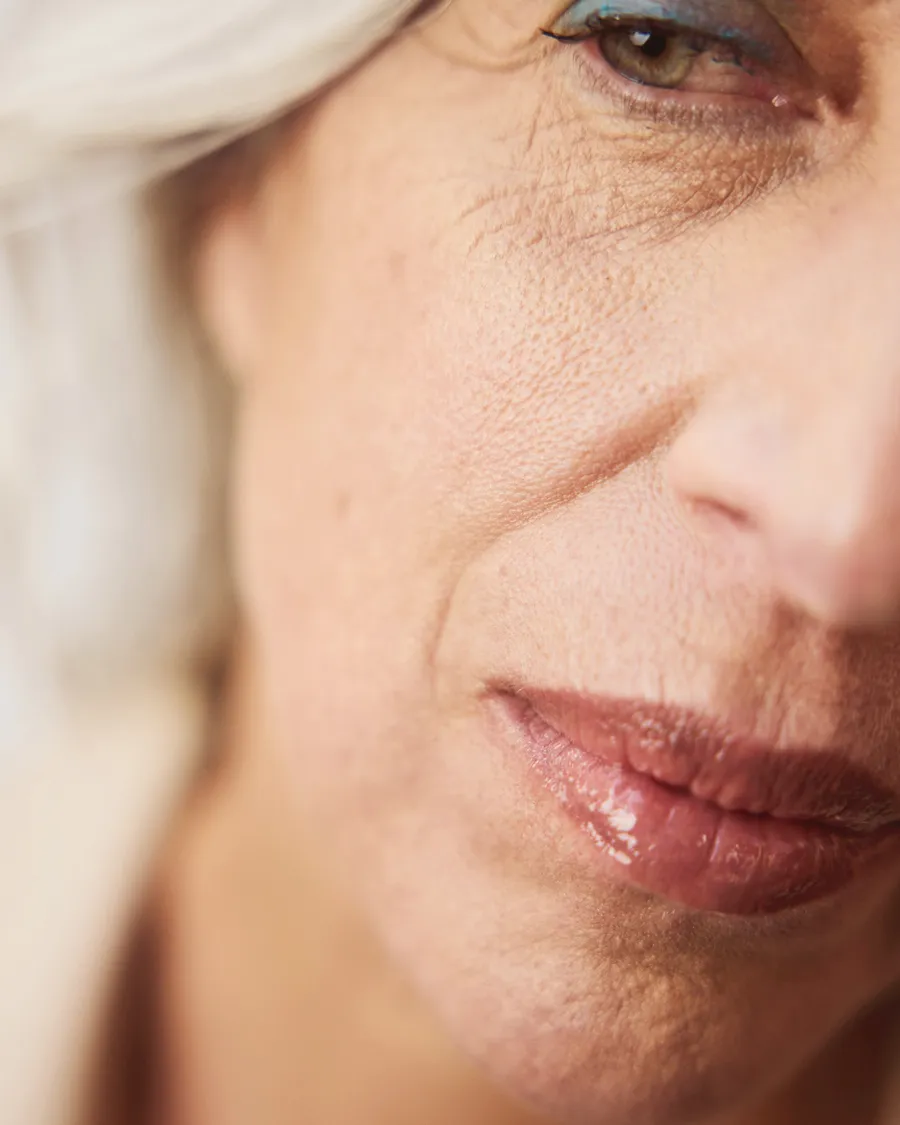
Common changes include fine lines and wrinkles, uneven skin tone and pigmentation, rougher texture, loss of firmness, enlarged pores and visible sun damage.
These changes develop gradually and differ considerably between people. Understanding what is contributing to them helps determine which aspects may benefit from skincare, medical treatment or other approaches.
Research suggests UV exposure, rather than age itself, is behind most visible facial ageing. In one study of 298 women, sun exposure accounted for around 80% of visible signs of facial ageing.1
Sun spots and age spots
Sun spots, age spots and ‘liver spots’ are all names for the same thing: solar lentigines. They are flat, well-defined brown patches on the face, hands, chest and arms, where years of UV exposure have prompted pigment cells to produce extra melanin in one area. Despite the name, they reflect sun exposure rather than age.
Wider, symmetrical patches across the cheeks, forehead or upper lip may be melasma rather than sun spots, which behaves differently.
Important: some skin cancers can look like harmless spots. Any new spot, or one that changes in size, shape or colour, should be checked in person by your GP or a skin cancer clinic. Qr8 doesn’t provide skin cancer checks.
The causes
What causes signs of skin ageing?

Time and exposureSkin ageing is influenced by both the passage of time and cumulative exposure to external factors.
Some changes occur naturally with age. Over time, skin produces less collagen and elastin, cell turnover slows, and changes in the skin barrier can contribute to dryness, fine lines and reduced elasticity.
The sunSun exposure is THE major contributor to visible skin ageing.
Repeated exposure to ultraviolet radiation can accelerate collagen breakdown and contribute to wrinkles, uneven pigmentation, roughness and changes in skin texture.
Other factorsOther factors can also influence how skin ages, including genetics, smoking, environmental exposures and hormonal changes.
Researchers call the combined effect of these outside influences the skin ageing ‘exposome’.4 Around menopause, declining oestrogen can also contribute to changes in collagen, skin thickness, hydration and elasticity (read more about menopause and skin).
This is why signs of ageing can look quite different from one person to another, and why understanding what is driving the changes in your skin matters.
Two people of the same age can have very different skin.

Long-term care
Tried treatments that didn’t last?
Sun damage builds over decades, and in Australia new UV exposure happens almost every day. Treatments can fade spots and improve texture, but the same processes keep running in the background.
If you’ve had IPL, peels or expensive serums and watched spots and uneven tone return, that isn’t a failure on your part. It’s what happens when new damage keeps adding to old. The research points to a long-term plan: protecting your skin from new damage while addressing the changes you can already see.
That’s how Qr8 care is built. Your doctor looks at what you’ve tried before and why it may not have held. Your nurse stays with you between appointments, adjusting your skincare and sun protection through the seasons and as your skin changes. The aim is to help you take back control of your skin for the long term.
Your skin
Skin ageing isn’t the same for everyone
Skin ageing reflects a combination of the changes that occur naturally with time and those influenced by external factors, particularly cumulative sun exposure.
Genetics, skin type, hormones, lifestyle and environmental exposures all influence when those changes become visible and what they look like. This means looking after your skin may be about prevention, treating changes you can already see, or both.
Your doctor considers these factors alongside your skin, medical history and goals when deciding what may be appropriate for you.

Sun protection
Australian UV exposure matters
In Australia, protecting skin from ultraviolet radiation is fundamental at every age.
Repeated UV exposure contributes to pigmentation, uneven skin tone, fine lines, changes in texture and loss of elasticity, collectively described as photoageing.
Daily sun protection therefore isn’t simply an add-on to your skincare routine. It is one of the most important strategies for reducing preventable skin ageing in the first place. And it’s never too late to start: in a Queensland trial, adults who began daily sunscreen in midlife still slowed visible skin ageing.2
Treatment
How are signs of skin ageing treated?

There isn’t one treatmentWhat is appropriate depends on the changes you want to address, your skin, your medical history and your goals.
Daily sun protection is fundamental. Skincare products also play an important role, from supporting skin health through to targeting specific concerns. Where clinically appropriate following a medical consultation, this may include medical treatment.
Skincare and proceduresProcedures such as lasers, light-based treatments, chemical peels and injectables can address changes that topical skincare cannot.
For some people, the right approach may involve skincare alone; for others, it may be a combination of medical skincare and in-clinic procedures.
This is where Qr8 is differentWe don’t simply provide a treatment and leave you to work out the rest.
Your care starts with a medical assessment and a skincare plan built around your skin, with ongoing nursing guidance between appointments. We also provide independent advice on the skincare you use and whether an in-clinic procedure may add value, so each part of your routine has a reason for being there.
The science
How strong is the evidence?
Skin ageing is a crowded market. Here’s what the research actually shows about the most common approaches.
-
Daily broad-spectrum sunscreen
StrongIn a randomised trial in Nambour, Queensland, adults aged up to 55 who started using broad-spectrum sunscreen every day showed no detectable increase in skin ageing over four and a half years, unlike those who used it when they chose to.2,3 Starting in adulthood still made a measurable difference.
-
Medical treatment after assessment
Well studiedMedical treatment has a long track record in research on sun-damaged skin, supported by many randomised trials. Improvement is gradual, and it is designed to sit alongside daily sun protection rather than replace it.
-
Laser and IPL for sun spots
Good for spotsStudies support intense pulsed light and some lasers for lightening sun spots.5,6 Results tend to fade gradually without ongoing sun protection, and new spots can still form.5
-
LED light therapy
LimitedLED is popular in clinics, but studies for skin ageing are mostly small and short, and researchers have called for larger trials to confirm any benefit.7
This summary is general scientific information, not personal advice. Numbers refer to the references at the end of this page.
Want to know what applies to your skin? A Qr8 doctor can assess it and talk you through your options.
Book a doctor consultationHow it works
Your sun damage care in three simple steps
-
 Step one
Detailed questionnaire & photos
Complete a detailed health questionnaire and send us photographs of your skin. This gives your clinical team important information before you meet.
-
 Step two
Meet your doctor
See an Australian registered doctor by private video consultation, 7 days a week, 7am to 9pm. They’ll review your history and photographs, assess your concerns and talk with you about what may be appropriate.
-
 Step three
Care between appointments
Your nurses help with your skincare routine, answer questions and keep up with how things are going. Email us. Call us. Book a video call.
Good to know
What we want you to know

Most visible skin ageing isn’t about ageThere are two overlapping processes: intrinsic ageing, which occurs naturally with time, and extrinsic ageing, which is influenced by external exposures.
Ultraviolet radiation is one of the most important contributors to extrinsic skin ageing. Over time, it affects pigmentation, collagen, elastin and other structures within the skin.
That is why two people of the same age can have very different skin. And why prevention matters well before significant lines or sun damage are visible.
Collagen changes long before skin looks ‘old’Collagen provides much of the structural support within the dermis, but its production and organisation change progressively over time.
UV exposure can accelerate collagen breakdown and alter the skin’s supporting architecture, contributing eventually to changes in texture, firmness and lines.
Skincare cannot stop biological ageing, but some of the processes contributing to visible skin ageing are modifiable. Starting before significant changes appear can therefore be just as relevant as treating them later.
More active skincare isn’t always betterMore products, stronger concentrations and more active ingredients do not automatically produce better skin.
An overly complicated or poorly tolerated routine can cause irritation and impair the skin barrier, making otherwise useful skincare difficult to continue.
The aim is not to use everything. It is to identify what has a useful role for your particular skin and goals, at concentrations and frequencies your skin can tolerate. This is where the Qr8 nursing team plays an important role between medical reviews.
Skincare has limitsTopical skincare can address some components of visible skin ageing, but it cannot correct every structural change.
Significant skin laxity, volume loss and some deeper lines involve changes that skincare cannot realistically reverse. Procedures such as lasers, energy-based treatments, peels and injectables may be more appropriate for some concerns.
At Qr8, we think knowing what skincare cannot do is just as important as knowing what it can. Our nurses can also provide independent guidance about whether an in-clinic treatment may be worth considering.
Your skin (and your goals) will changeThere is no single age at which someone should start caring about skin ageing.
Someone in their 20s wanting to minimise preventable sun damage has very different needs from someone addressing established photoageing, just as skin may change during pregnancy, perimenopause, menopause or simply with time.
The goal is not to make everyone’s skin look the same. It is to understand what is happening in your skin, what you want to change or prevent, and what can realistically help.
FAQs
Your biggest questions about skin ageing
What are sun spots and age spots?
They are the same thing: solar lentigines. These flat, well-defined brown patches appear on sun-exposed skin such as the face, hands, chest and arms, where years of UV exposure have caused pigment cells to produce extra melanin in one area. They reflect sun exposure rather than age.
Are sun spots dangerous?
Sun spots themselves are harmless, but they are a sign of cumulative UV exposure, and some skin cancers can look similar. Any new spot, or one that changes in size, shape or colour, should be checked in person by your GP or a skin cancer clinic. Qr8 doesn’t provide skin cancer checks.
Can sun damage be reversed?
Partly. Some features of sun damage, such as uneven pigmentation and rough texture, can improve with consistent sun protection and appropriate treatment, and daily sunscreen has been shown to slow further visible ageing.
Deeper wrinkles and loss of firmness involve structural changes that skincare can’t fully reverse, which is why prevention matters at every age.
What skincare actually works for signs of skin ageing?
There isn’t one “best” skin longevity product or routine. What works depends on what you are trying to change.
Fine lines, pigmentation, uneven texture, dryness and changes in skin quality have different causes and don’t necessarily respond to the same skincare. Some concerns may be managed with well-chosen non-prescription products, while others may benefit from medical assessment and, where clinically appropriate, medical treatment.
The formulation matters too. Evidence for an individual ingredient does not automatically mean every product containing it will produce the same result.
At Qr8, we review the skincare you already use as part of your care. The aim isn’t to give you more products, it’s to work out what is worth using for your skin and what probably isn’t.
Can you prevent skin ageing and sun damage?
You can’t prevent the biological process of ageing, but you can influence some of the factors that contribute to premature skin ageing.
UV exposure is particularly important in Australia. Repeated exposure contributes to wrinkles, pigmentation, changes in texture and loss of elasticity, and these effects accumulate over time. Consistent sun protection is THE most important thing you can do at any age to reduce preventable skin damage.
The goal isn’t to stop your skin getting older. It’s to reduce avoidable damage while looking after the health of the skin you have.
When should you start caring for skin longevity?
There isn’t a particular birthday when everyone suddenly needs a skin longevity routine.
For younger adults, prevention is generally more important than trying to “correct” ageing that isn’t yet visible. In Australia, that makes consistent sun protection particularly important.
Beyond that, skincare should be chosen according to your actual skin and concerns rather than your age alone. As your skin changes, your routine can change with it.
You also don’t need to start using multiple active ingredients simply because you are in your 20s or 30s. More skincare isn’t automatically better skincare.
Can skincare really improve wrinkles and sun damage?
Yes, but there are limits to what topical skincare can realistically achieve.
Depending on the concern, skincare may help improve aspects of fine lines, pigmentation, hydration and uneven texture. Moisturisers can also improve hydration and temporarily make fine lines less noticeable.
But deeper wrinkles, significant skin laxity and volume loss involve structural changes that topical skincare cannot simply reverse. Some concerns may be better addressed with in-clinic procedures.
At Qr8, we think understanding what skincare cannot do is just as important as knowing what it can. If your goal is unlikely to be achieved with skincare alone, we would rather be clear about that.
Do I need medical skincare or cosmetic procedures?
Not necessarily. There is no single treatment pathway for signs of skin ageing. What may be appropriate depends on what you want to address, your skin, medical history, previous treatments and goals.
Skincare and in-clinic procedures also do different things. Lasers, light-based treatments, chemical peels, injectables and other procedures may be useful for concerns that topical skincare cannot adequately address.
Your Qr8 doctor assesses your skin and discusses appropriate options with you. Your nursing team can also provide independent guidance about where skincare may be enough and when an in-clinic treatment may be worth considering. We don’t provide those procedures, so our role is to help you understand where they may, or may not, fit alongside your skincare.
How does Qr8 MediSkin manage signs of skin ageing and sun damage?
Qr8 provides online medical skin care across Australia, combining doctor assessment with ongoing nursing support.
Your doctor assesses your skin, medical history, current skincare, previous treatments and what you would actually like to change or prevent. If treatment is clinically appropriate, they’ll discuss suitable options with you.
But your care doesn’t end with the medical appointment. Your nursing team helps with your skincare routine, product selection, sun protection, tolerability and the practical day-to-day aspects of your plan between doctor reviews. We can also provide independent guidance about whether an in-clinic procedure may add value.
The aim is to work out what is actually worth doing for your skin, and what isn’t.
Can I talk to someone about sun damage today?
Yes, if you’d rather not wait for a doctor appointment. Book an optional 15-minute video call with our senior dermatology nurse ($35), held the same day when you book before 4pm, Monday to Friday. You’ll come away with practical skincare advice and solutions you can start straight away, and if you need a doctor, she can help you get priority access to a doctor consultation. Nurse calls cover skincare advice within nursing scope; any prescription treatment is only ever decided by a doctor. If you’re happy to wait, you can book straight in with a doctor.
How much does it cost?
Your initial video consultation with one of our registered doctors is $55 AUD.
Following your consultation, your doctor will email a personalised care plan where clinically appropriate, with all relevant costs clearly outlined before you choose to proceed. Fees vary according to your care and include clinical support throughout. We accept Visa, Mastercard, Afterpay and direct debit.
We are a private billing service and Medicare rebates are not available. Depending on your cover, you may be able to claim some costs through your private health insurer. Receipts are available on request.
Resources
All articles + Read more
Sun protection
The best sunscreen if you have melasma
 + Read more
Sun protection
Why mixing products with your sunscreen is a no-go
 + Read more
Pigmentation
Pigmentation 101: a complete guide
 + Read more
Menopause
Menopause skincare: dryness, collagen and what helps
 + Read more
Pigmentation
The truth about vitamin C serum
 + Read more
Skincare
Is petrolatum (Vaseline) a good moisturiser?
References
- Flament F, Bazin R, et al. Effect of the sun on visible clinical signs of aging in Caucasian skin. Clin Cosmet Investig Dermatol. 2013;6:221-232. https://doi.org/10.2147/CCID.S44686
- Hughes MCB, Williams GM, Baker P, Green AC. Sunscreen and prevention of skin aging: a randomized trial. Ann Intern Med. 2013;158(11):781-790. https://doi.org/10.7326/0003-4819-158-11-201306040-00002
- Green AC, Hughes MCB, Iannacone MR, et al. Effects of sunscreen on skin cancer and photoaging. Photodermatol Photoimmunol Photomed. 2014;30(2-3):55-61. https://doi.org/10.1111/phpp.12109
- Krutmann J, Schikowski T, Morita A, et al. Environmentally-induced (extrinsic) skin aging: exposomal factors and underlying mechanisms. J Invest Dermatol. 2021;141(4):1096-1103. https://doi.org/10.1016/j.jid.2020.12.011
- Friedmann DP, Peterson JD. Efficacy and safety of intense pulsed light with a KTP filter for the treatment of solar lentigines. Lasers Surg Med. 2019;51(6):500-508. https://doi.org/10.1002/lsm.23056
- Kawada A, Shiraishi H, Asai M, et al. Clinical improvement of solar lentigines and ephelides with an intense pulsed light source. Dermatol Surg. 2002;28(6):504-508. https://doi.org/10.1097/00042728-200206000-00013
- Baez F, Reilly LR. The use of light-emitting diode therapy in the treatment of photoaged skin. J Cosmet Dermatol. 2007;6(3):189-194. https://doi.org/10.1111/j.1473-2165.2007.00329.x

Ready to understand your skin better?
Start with a medical assessment and a conversation about what’s happening with your skin.