










As seen in:

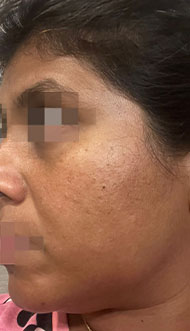
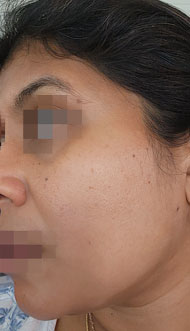
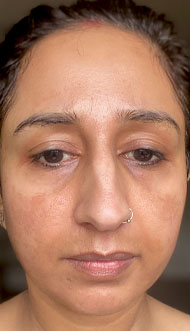
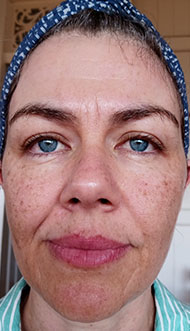
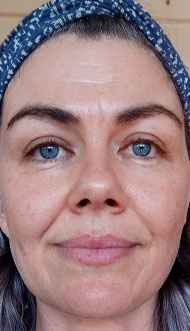
REAL EXAMPLES (NO FILTERS)

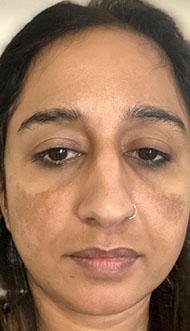
Helen
# Melasma #Pigmentation
Before
After
Ava
#Pigmentation
Before
After
Sally
#Pigmentation
Before
After
Kylie
#Melasma
Before
After

YOU’RE NOT ALONE

Dark spots, freckles or post-inflammatory hyperpigmentation (the dark spots left behind after a skin trauma heals) can be frustrating. For many people, an uneven skin tone affects more than just their skin, impacting confidence at work, socially, and day to day.

You may feel overwhelmed by conflicting advice: what products to use (or avoid), and what actually helps long term.

And you may be tired of spending money on products, Vitamin C serums, treatments or supplements that promise a lot, but don’t deliver the results you were hoping for.

Qr8 MediSkin is a doctor-led, nurse-supported telehealth service for the medical assessment of uneven skin tone and related concerns. Where clinically appropriate, your care may include a personalised prescription option, with clear guidance and ongoing clinical support.

Skincare for an uneven skintone can feel complicated. We aim to make it feel clearer.

Before (from your questionnaire and photos) AND during your consultation, your doctor will:

  • review your skin, medical and medication history
  • help you understand the causes of an uneven skin tone, talk through treatment options and what may be appropriate for you
  • prescribe topical treatment only when suitable
  • adjust your plan over time based on response and tolerance

You’ll also have access to our dermatology nurses for:

  • guidance on how to use your plan confidently
  • education on managing your skin day-to-day and long-term maintenance
  • supporting skincare recommendations, including an evidence-based sunscreen guidance, all tailored to your skin
  • follow-up support throughout your treatment cycle

ANNA'S SKIN JOURNEY

Before
After

EMILY'S BRIGHTER SKIN

Before
After

What Causes Uneven Skin Tone & Pigmentation?

Uneven skin tone describes differences in colour or pigmentation across the skin. There are many possible causes.

In Australia, cumulative sun exposure is an important contributor. Ultraviolet radiation and visible light stimulate pigment production and, over time, can contribute to freckles, sun spots and more widespread uneven pigmentation.

Dark marks can also remain after acne, irritation or other inflammation. This is called post-inflammatory hyperpigmentation (PIH) and can be particularly persistent in darker skin tones.

Melasma is different again. It is a specific chronic pigmentation condition rather than simply another name for hyperpigmentation.

Your skin type, medical history, hormones, previous skincare and sun exposure can all be relevant.

That’s why we start with an assessment rather than assuming every brown spot needs the same approach.

How Does Hyperpigmentation Develop?

Melanin is the pigment responsible for much of the natural colour of our skin, hair and eyes. It is produced by specialised cells called melanocytes.

Melanin itself isn’t the problem. It has an important protective role in the skin.

Hyperpigmentation develops when increased pigment is produced or distributed within the skin. Sun exposure is an important stimulus, but inflammation, hormones and injury can also influence pigment production.

The pigmentation you see can therefore have very different origins.

Why “Brightening” Skincare Can Only Do So Much

The skincare aisle is full of products promising brighter, more even skin. But pigmentation isn’t simply a cosmetic problem that can always be solved by adding another serum.

Some skincare can support the management of uneven skin tone. But what it can realistically achieve depends on what is causing the pigmentation in the first place.

At Qr8, we help you understand what your skincare is actually doing, what has a useful role, and what you may be spending money on unnecessarily.

When Should I Consider An In-Clinic Procedure?

Laser, IPL, peels and other procedures can have a role in some types of pigmentation, but they aren’t appropriate for every pigmentary concern or every skin tone.

Choosing the wrong procedure can also aggravate pigmentation in susceptible skin.

Qr8 doesn’t perform cosmetic procedures. That means our nursing team can help you understand whether an in-clinic option may be worth considering and what questions to ask – without having a procedure to sell you.

How Is Uneven Pigmentation Managed?

There isn’t one approach to uneven pigmentation because there isn’t one cause.

Sun protection is fundamental, particularly under Australian UV conditions. Skincare also matters. Reducing unnecessary irritation and supporting the skin barrier can be especially important when your skin readily develops pigmentation after inflammation.

For some people, medical care may have a role. Other pigmentation concerns may benefit from changes to skincare and sun protection or consideration of an in-clinic procedure.

What makes sense depends on what is causing the pigmentation in the first place.

Why Can Pigmentation Be More Persistent In Darker Skin Tones?

Skin with more melanin can be more prone to developing post-inflammatory hyperpigmentation (PIH) – dark marks that remain after inflammation or injury to the skin.

Acne, irritation, eczema and even some cosmetic procedures can trigger pigmentation, and these marks can be more noticeable and persistent in darker skin tones.

This matters when deciding what to put on your skin, and when considering procedures such as peels, laser or light-based treatments. More aggressive doesn’t necessarily mean better, particularly if an approach creates inflammation that leaves further pigmentation behind.

Your skin tone and tendency to pigment are important parts of your Qr8 assessment and ongoing care.

And yes, every skin tone still needs daily sun protection under Australian UV.

YOUR PIGMENTATION CARE IN THREE SIMPLE STEPS

01

Detailed
Questionnaire & Photos

Complete a detailed health questionnaire and send us photographs of your skin or hair.

This gives your clinical team important information before you meet.


02

Meet Your Doctor

See an Australian registered doctor by private video consultation.

They’ll review your history and photographs, assess your concerns and talk with you about what may be appropriate.

Consults available 7 days a week, 7am-9pm.

03

Your Pigmentation Plan

If treatment is clinically appropriate, your doctor will discuss suitable options with you.

Your nurse will provide a detailed Skin Plan with the supporting skincare and daily routine if you decide to proceed.

04

Care Between Appointments

This is where your nurses come in.

They help you with your skincare or haircare routine, answer questions and keep up with how things are going.

Email us. Call us. Book a video call.

You don’t have to save every question for your next doctor’s appointment.

INGREDIENTS THAT CAN BE USED IN OUR UNEVEN SKIN TONE PLANS

If prescription treatment is appropriate for you, your doctor may prescribe a personalised topical formulation using one or more evidence-based ingredients, selected for your skin type and goals.

Not every ingredient, or every strength, is right for every person. Your doctor will explain what’s suitable for you and why.

Ingredients that may be included in your plan includes:

Hydroquinone
Potassium Azeloyl Diglycinate
Prescription Retinoids
Tranexamic Acid
Azelaic Acid
Niacinamide
Resveratrol
Kojic Acid
Hydrocortisone

Why Isn’t My Pigmentation Improving?

If you’ve tried vitamin C, “brightening” skincare, peels or other treatments without getting the change you expected, the problem may not be that you haven’t found the right product yet.

Different types of pigmentation behave differently. Melasma, sun-related pigmentation and post-inflammatory hyperpigmentation can look similar, but what helps one may not be appropriate for another.

Ongoing UV exposure, inflammation and irritation can also work against what you’re trying to achieve.

Sometimes the most useful next step isn’t another product. It’s working out what type of pigmentation you have, what may be driving it, and what’s actually worth doing about it.

Can Laser or IPL Make Pigmentation Worse?

Yes, in some people and some types of pigmentation.

Laser, IPL, peels and other in-clinic procedures can have a role in managing pigmentation, but the right option depends on the type of pigmentation you have, your skin tone and how your skin responds to inflammation.

Some procedures can aggravate pigmentation rather than improve it, particularly when the underlying pigmentary condition hasn’t been correctly identified first.

Qr8 doesn’t perform cosmetic procedures, so we don’t have a procedure to sell you. We provide independent advice so you understand whether an in-clinic treatment may have a useful role for your skin, and what to consider before you invest in one.

Jess
#Pigmentation
Before
After
Sally
#Pigmentation
Before
After
Helen
#Melasma #Pigmentation
Before
After
Sophia
#Acne
Before
After
Kylie
#Melasma
Before
After
Annie
#Pigmentation
Before
After
Sarah
#Pigmentation
Before
After
Angela
#Pigmentation
Before
After
Ava
#Pigmentation
Before
After
Belinda
#Pigmentation #Texture
Before
After

Your Biggest
Questions Answered

What is the difference between pigmentation, hyperpigmentation and uneven skin tone?

Uneven skin tone is a broad term used when areas of the skin appear darker or different in colour from the surrounding skin.

Hyperpigmentation specifically describes areas where increased melanin makes the skin appear darker. It can occur for different reasons, including sun exposure, inflammation or injury to the skin.

Melasma and post-inflammatory hyperpigmentation (PIH) are specific types of pigmentation.

Working out what type of pigmentation you have and what may be contributing to it is important, because they don’t necessarily need the same approach.

Can Qr8 help if I don't know what kind of pigmentation I have?

Yes. You don’t need to know what type of pigmentation you have before booking.

Brown spots, patches and areas of uneven skin tone can have different causes, and some types of pigmentation can look very similar.

Your Qr8 doctor will review your photographs, medical and skin history, and speak with you during your video consultation to assess what may be contributing to the changes you can see and discuss what may be appropriate for you.

If your skin concern needs to be examined or investigated in person, your doctor will let you know and recommend the appropriate next step.

Do I need to see a dermatologist for pigmentation?

Not always.

Many pigmentation concerns can be assessed and managed through primary medical care, including telehealth. Your Qr8 doctor will assess your skin, medical history and photographs before discussing what may be appropriate for you.

Some pigmentation does need examination, investigation or treatment in person. If your doctor sees something that shouldn’t be managed online or needs further investigation, they’ll tell you and recommend the appropriate next step.

Why choose online care for pigmentation?

Pigmentation often needs care over time rather than a single appointment.

With Qr8, you can see your doctor by secure video from anywhere in Australia, with your nursing team available between appointments to help with skincare, sunscreen, irritation and questions as they arise.

It also means you can access ongoing care without repeatedly travelling to a clinic, which is particularly useful when your skin needs to be reviewed and your approach adjusted over time.

If your clinical team believes something needs to be examined or managed in person, they’ll tell you.

How is Qr8 different from seeing my GP or a dermatologist for pigmentation?

Qr8 is designed specifically around ongoing medical care for skin.

You’ll see a registered doctor for your medical assessment and reviews, with a dermatology nursing team involved between appointments.

The difference is what happens after the appointment. Your nurses help with the practical things that can make pigmentation particularly confusing – skincare, sunscreen, irritation, product selection and questions that come up between doctor reviews.

We can also provide independent guidance about external cosmetic procedures. Qr8 doesn’t perform these procedures, so we don’t have one to sell you.

How much does Qr8 pigmentation care cost?

Your initial video consultation with one of our registered doctors is $55.

Following your consultation, your doctor will email a personalised treatment plan, where clinically appropriate, with all relevant costs clearly outlined before you choose to proceed.

Treatment fees vary according to your prescribed care and include clinical support throughout your treatment. We accept Visa, Mastercard, Afterpay and direct debit.

In accordance with Australian requirements, individual prescription medicine pricing is not displayed publicly.
We are a private billing service. Medicare rebates are not available. Depending on your cover, you may be able to claim eligible medication costs through your private health insurer. Receipts are available on request.

Meet our Founder

Dr Michele Squire

PhD, BSc (Hons), BBus

Dr Michele Squire is a PhD scientist, former healthcare executive and Registered Nurse.

She founded Qr8 in 2019 because caring for skin and hair takes more than an appointment.

It takes medical expertise, good skincare and people paying attention to what happens over time.

Qr8 was built to bring those things together.

Read More

Meet our Team

Dr Anastasia Boulais

FRNZCUC, MBBS(Syd), BMedSc, DipPath AHPRA Registration Number:MED0001674307

Dr Anastasia understands that everyone’s experience in their own body is unique. Wherever a patient is on their journey towards getting to know and take care of their hair and skin health, she meets them with empathy and support. Outside of work, she enjoys staying active, including going to the gym, hiking, travelling, and spending time in nature.

Read More

Dr Bec Shackle

MMed (InternalMedicine), MBBS, BN AHPRA Registration Number:MED0002669912

Dr Bec loves making a real difference in her patients’ lives. An LGBTQ+ ally with experience in trans-affirming care, she enjoys creating a welcoming and inclusive space for all. Outside of work, she enjoys cooking, gardening, and spending time in nature with her partner and dogs.

Read More

Dr Sheila Manmathan

BSc, MBBS, MRCGP, FRACGP AHPRA Registration Number:MED0001762480

Dr Sheila is compassionate and collaborative, and passionate about empowering patients to understand and feel in control of their health. With a focus on education, collaboration, and open communication, she creates a supportive environment where patients can make informed decisions at every stage of their health journey.

Read More
Dr Mali Tayebi

Dr Mali Tayebi

MD, FRACGP AHPRA Registration Number:MED0002200412

Dr Mali graduated with a Doctor of Medicine in 2014 from the Semnan University of Medical Sciences, Iran, prior to becoming a Fellow of the Royal Australian College of General Practitioners (FRACGP) with a special interest in dermatology, skin cancer medicine, and aesthetic medicine. She strongly believes that every patient deserves to feel heard and understood. Dr Mali’s approach focuses on listening carefully, understanding each person’s goals, and developing an individualised treatment plan that combines the best available evidence, combined with compassionate care.

Read More

Dr Sarah Newby

MD AHPRA Registration Number:MED0002066429

Dr Sarah has a warm and empathetic approach to her practice and listens deeply to ensure that she can work with patients to get to the root of the problem and arrive at an effective solution together. She finds being trusted with her patient’s stories and seeing how simple changes can make a world of difference to be the most rewarding part of her practice.

Read More

Dr Yeshika Naidoo

LLB, MBBS, DIPCH, MPH, MCLIN, EPI, FRACGP AHPRA Registration Number:MED0000962959

Dr Yeshika focuses on what the patient is trying to achieve and adapts their treatment according to their individual lifestyles. She loves to see long-term and returning patients who are happy with their results, and she finds this to be the most rewarding part of her practice.

Read More

Dr Jeremy Chou

MChD, FRACGP AHPRA Registration Number:MED0002066673

Dr Jeremy is holistic, thorough, and willing to take the necessary time and care to ensure his patients are empowered to take charge of their health. He specifically enjoys seeing patients enjoy positive results and become empowered to make better decisions for their skin and wellbeing.

Read More

Nurse Kristen Meiklejohn

RN AHPRA Registration Number:NMW0001612708

With over 11 years of dermatology experience, Kristen is a cornerstone of the Qr8 MediSkin Skincare Support Team. Whether you’re navigating new treatments or fine-tuning your daily routine, she’s here to offer expert guidance, tailored recommendations, and genuine care. Think of her as your personal skincare guardian angel – she’s always ready to help you feel confident in your skin!

Read More

Pharmacist Matthew Belgrove

BPharm AHPRA Registration Number:PHA0000982524

I have been a pharmacist for 14 years, owned and worked in a variety of Pharmacies including NCC for the last 10 years. When not working, I enjoy spending time with my wife, 4 kids & dog and also swim, bike and running. I find compounding pharmacy a rewarding profession because of NCC’s ability to customise medicine for any type of patient. I often find ourselves solving challenges which standard medicine couldn’t and the gratitude from Patients is very humbling.

Read More

READY TO UNDERSTAND YOUR PIGMENTATION?

Start with a conversation about what’s causing the changes you can see in your skin, and what may be appropriate for you.

Online appointments with Australian-registered doctors, with nursing support between appointments.