










As seen in:


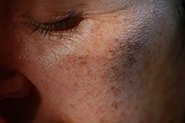
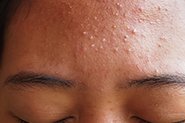
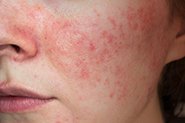
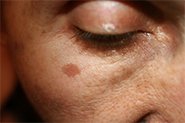
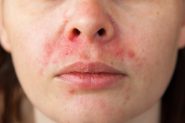
REAL EXAMPLES (NO FILTERS)

GEMMA
#Rosacea
Before
After
FRED
#Rosacea
Before
After
CRYSTAL
#Rosacea
Before
After

YOU’RE NOT ALONE!

Rosacea can be frustrating, and it often seems to flare at the worst possible time. For many people, it affects more than just their skin, impacting confidence at work, socially, and day to day.

You may feel overwhelmed by conflicting advice: what products to use (or avoid), whether diet changes matter, and what actually helps long term.

And you may be tired of spending money on products and supplements that promise a lot, but don’t deliver the results you were hoping for.

Qr8 MediSkin is a doctor-led, nurse-supported telehealth service for the medical assessment of rosacea and related concerns. Where clinically appropriate, your care may include a personalised prescription option, with clear guidance and ongoing clinical support.

Rosacea care can feel complicated. We aim to make it feel clearer.

Before (from your questionnaire and photos) AND during your consultation, your doctor will:

  • assess whether your skin symptoms are consistent with rosacea (not all pimples and redness are rosacea)
  • review your skin, medical and medication history
  • help you understand the causes of rosacea, talk through treatment options and what may be appropriate for you
  • prescribe topical treatment only when suitable
  • adjust your plan over time based on response and tolerance

You’ll also have access to our dermatology nurses for:

  • guidance on how to use your plan confidently
  • education on managing rosacea day-to-day and long-term maintenance
  • supporting skincare recommendations, including an evidence-based sunscreen guidance, all tailored to rosacea-prone skin
  • follow-up support throughout your treatment cycle

Our online skincare team take the time to understand your skin through a detailed questionnaire, photo review and secure video consultation. If prescription treatment is appropriate, your doctor may prescribe a personalised topical formulation selected from a choice of 20+ evidence-based ingredients.

You’ll also receive supporting  skincare recommendations and unlimited access to our dermatology nurse via email or video, so you feel confident using your plan day-to-day.
What Is Rosacea?

Rosacea is a chronic (lifelong) inflammatory skin condition that most commonly affects the centre of the face.

It can cause persistent redness, flushing, visible blood vessels, bumps and pustules, as well as skin that feels dry, sore, burning, stinging or sensitive.

Rosacea tends to flare and settle over time, and the symptoms can look very different from one person to another.

Some people predominantly experience redness and flushing. Others struggle with inflammatory bumps. Many experience both, alongside skin that reacts to products it previously tolerated.

That variability is one reason rosacea needs to be managed according to what is actually happening in your skin.

What Causes Rosacea?

There isn’t one single cause of rosacea. It appears to involve a combination of genetic factors and changes in the skin’s immune, nervous and vascular systems. Sun exposure is thought to play a part in rosacea flares, and overall progression of the disorder. UV radiation increases free radicals in the skin that stimulate the immune system as well as the release of chemicals that cause dilation of blood vessels.

What we know more clearly is that certain things can trigger or worsen rosacea symptoms. Common triggers include sun exposure, heat, changes in temperature, exercise, alcohol, spicy food and stress. Skincare products can also aggravate skin that is already sensitive or reactive.

Triggers are different for everyone. Something that causes intense flushing or redness in one person may have little effect on someone else.

This is why identifying what affects your skin, and knowing how to manage it, is an important part of rosacea care.

How is Rosacea Managed?

There isn’t one approach to managing rosacea. What is appropriate depends on your symptoms, your skin, your triggers and how your rosacea changes over time.

Medical treatment can be an important part of getting redness and inflammatory bumps under control, but it is only one part of a comprehensive plan. Skincare, sun protection, supporting the skin barrier and identifying individual triggers all matter too.

Some features of rosacea, particularly visible blood vessels, may also benefit from in-clinic procedures such as vascular laser or light-based treatments. Qr8 doesn’t perform these procedures, so our nurses can provide independent guidance about the options available and when an in-clinic treatment may be worth considering.

This is where Qr8 is different. Your doctor manages the medical side of your care, while your nursing team helps with skincare, application, triggers, treatment tolerance and the practical day-to-day management that happens between appointments.

Your ROSACEA Care In Three Simple Steps

01

Detailed
Questionnaire & Photos

Complete a detailed health questionnaire and send us photographs of your skin or hair.

This gives your clinical team important information before you meet.


02

Meet Your Doctor

See an Australian registered doctor by private video consultation.

They’ll review your history and photographs, assess your concerns and talk with you about what may be appropriate.

Consults available 7 days a week, 7am-9pm.

03

Personalised Plan

If treatment is clinically appropriate, your doctor will discuss suitable options with you.

Your nurse will provide a detailed Skin Plan with the supporting skincare and daily routine if you decide to proceed.

04

Care Between Appointments

This is where your nurses come in.

They help you with your skincare or haircare routine, answer questions and keep up with how things are going.

Email us. Call us. Book a video call.

You don’t have to save every question for your next doctor’s appointment.

INGREDIENTS THAT CAN BE USED IN OUR ROSACEA PLANS

If prescription treatment is appropriate for you, your doctor may prescribe a personalised topical formulation using one or more evidence-based ingredients, selected for your skin type and goals.

Not every ingredient, or every strength, is right for every person. Your doctor will explain what’s suitable for you and why.

Ingredients that may be included in rosacea plans include:

Aza Acid

Azelaic acid – at prescription-strength concentrations to minimise spots, soothe inflammation, kill bacteria and unclog pores that lead to the acne-type bumps

Niacinamide

Niacinamide – to reduce inflammation and improve skin barrier function

Ivermectin

Ivermectin – has both anti-inflammatory properties and targets Demodex mites, which are known to exacerbate rosacea symptoms

Potassium Azeloyl Diglycinate

Potassium Azeloyl Diglycinate – a new generation, water-soluble derivative of azelaic acid that offers excellent skin benefits.

Studies show that it has anti-inflammatory properties, making it ideal for treating rosacea. It shows significant efficacy in reducing redness, stinging, and burning sensations for those who suffer with rosacea.

Metronidazole

Metronidazole – a topical antimicrobial and anti-inflammatory medication that is used to treat mild-moderate rosacea.

Multiple clinical trials have demonstrated the effectiveness and safety of this drug in treating rosacea and reducing facial redness.

Ectoin

Ectoin – an ingredient shown to produce a long-term moisturising effect, along with reducing inflammation, and protecting from environmental stressors like UV radiation, which make it beneficial to support sensitive, dry skin during treatment.

Oxymetazoline

Oxymetazoline – an evidence-based medication for treating persistent facial redness associated with rosacea.

It works by tightening surface blood vessels both temporarily, and in the long term, to reduce redness.

Additionally, its anti-inflammatory properties help reduce the formation of papules and pustules in rosacea, further enhancing its efficacy in managing rosacea symptoms.

Our doctors aim to avoid routine and long-term oral antibiotic use to manage rosacea.

In some cases, a short course of oral medication may be considered to help manage inflammation, but only after a medical assessment, and only when it’s clinically appropriate for you.

Why Skincare Matters in Rosacea

Rosacea-prone skin is often sensitive and easily irritated. Redness, burning, stinging, dryness and soreness can all be made worse by skincare that your skin doesn’t tolerate well.

The right routine can help support the skin barrier and work alongside your medical treatment. But this doesn’t necessarily mean adding more products. Often, it means simplifying what you already use and removing things that may be contributing to irritation.

How you use your skincare matters too. Cleansing, application technique, the order products are applied and how quickly new products are introduced can all affect sensitive, reactive skin.

This is where your Qr8 nursing team can help. We review the skincare you’re actually using and help you understand what to keep, what may be aggravating your skin, and how to use your routine alongside your medical care.

WHY CAN’T I JUST BUY A
COSMETIC AZELAIC ACID?

Well you absolutely can! But here’s some things to think about first…

Our rosacea treatments use concentrations of azelaic acid (15-20%) that scientific studies show reduce the symptoms of rosacea. Cosmetic azelaic acid products are often only available at lower percentages (10% or sometimes even 5% – make sure you check your existing product!). There is ZERO evidence that these do anything to treat rosacea.

We also combine azelaic acid with other evidence-based ingredients into a single cream (so you don’t have to purchase them separately!). These have been shown in scientific studies to soothe and calm dry, red, burning, stinging skin associated with the impaired skin barrier that comes with rosacea.

Because skincare and lifestyle changes are equally as important as treatment when it comes to rosacea, 1:1 personalized support from our experienced Skincare Support Team is included (with your rosacea treatment product, medical appointment, and delivery) in the one-off, all-inclusive cost of your treatment. We help you choose skincare products with evidence-backed ingredients to calm skin. We can also help you identify and manage your personal rosacea triggers.

What Skincare is Best For Rosacea

There isn’t one skincare routine that works for everyone with rosacea. The aim is usually to keep things simple, support the skin barrier and minimise unnecessary irritation.

Gentle cleansing, a well-tolerated moisturiser and daily sun protection are the foundations. Beyond that, more products and more active ingredients are not necessarily better – particularly when skin is already red, sore, burning or reactive.

What you use matters, but how you use it matters too. Cleansing, application technique, product layering and introducing changes gradually can all affect how well sensitive skin tolerates a routine.

Your Qr8 nurse reviews the skincare you’re already using and helps you work out what to keep, what may be aggravating your skin and whether anything is actually missing.

SIMPLE SKINCARE RULES FOR ROSACEA

DO DOn’t
Keep your routine simple
Keep adding serums and active products when your skin is irritated or sensitive
Use a gentle cleanser and lukewarm water
Scrub, use cleansing brushes or repeatedly cleanse reactive skin
Moisturise to support the skin barrier
Assume dryness means you need more exfoliation
Use sunscreen every day
Ignore sun exposure when working out what triggers your rosacea
Introduce changes gradually
Start several new products or treatments at the same time

Your Qr8 nursing team can help you adapt these principles to your own skin, products and triggers, because what works for one person with rosacea may not work for another.

Do I need expensive skincare for rosacea?

No. Price doesn’t tell you whether a product will suit rosacea-prone skin.

A simple cleanser, moisturiser and sunscreen may be all some people need alongside their medical care. The priority is finding products your skin tolerates and that have a clear role in your routine — not buying more of them.

Qr8 doesn’t have its own skincare brand to sell you. Your nursing team can review what you already own and recommend changes only where they’re likely to be useful.

Your Biggest
Questions Answered

What are the main symptoms of rosacea?

Rosacea can cause persistent facial redness, flushing, visible blood vessels, bumps or pustules, and skin that burns, stings or feels unusually sensitive.

Some people also develop eye symptoms.

The way rosacea presents can vary considerably between people.

Can rosacea redness be treated?

Yes. There are medical options for managing persistent facial redness associated with rosacea.

The right approach depends on whether you have background redness, flushing, visible blood vessels, or a combination of these.

Your doctor can assess what is contributing to your redness and discuss appropriate options.

Can rosacea be cured?

Rosacea is a chronic skin condition, so management is usually about controlling symptoms and reducing flares rather than permanently curing it.

What your skin needs can also change over time.

Why does my rosacea keep flaring?

Rosacea naturally tends to flare and settle.

Sun exposure, heat, temperature changes, exercise, alcohol, spicy food, stress and skincare can all contributel but triggers vary considerably between people.

Understanding what actually affects your skin is an important part of managing it.

Can rosacea look like acne?

Yes. Rosacea can cause bumps and pustules that look similar to acne, but they are different skin conditions and are managed differently.

Some people can also have both acne and rosacea at the same time.

Do laser and IPL treatments help rosacea?

Laser and light-based procedures can be useful for some features of rosacea, particularly persistent redness and visible blood vessels.

Qr8 doesn’t perform these procedures, so our nurses can provide independent guidance about the options available and when an in-clinic treatment may be worth considering.

Can rosacea be treated online?

Yes. Rosacea is a chronic condition that often needs ongoing management rather than a single appointment.

At Qr8, your doctor manages the medical aspects of your care, while your nursing team helps you put the plan into practice between appointments, with skincare, triggers, application, tolerability and the questions that come up as your skin changes.

That ongoing support helps you stay on track with your plan, rather than being left to manage everything yourself between medical appointments.

If something requires in-person assessment or treatment, your clinical team will let you know.

How much does Qr8 rosacea care cost?

Your initial video consultation with one of our registered doctors is $55.

Following your consultation, your doctor will email a personalised treatment plan, where clinically appropriate, with all relevant costs clearly outlined before you choose to proceed.

Treatment fees vary according to your prescribed care and include clinical support throughout your treatment. We accept Visa, Mastercard, Afterpay and direct debit.

In accordance with Australian requirements, individual prescription medicine pricing is not displayed publicly.

We are a private billing service. Medicare rebates are not available. Depending on your cover, you may be able to claim eligible medication costs through your private health insurer. Receipts are available on request.

Meet our Founder

Dr Michele Squire

PhD, BSc (Hons), BBus

Dr Michele Squire is a PhD scientist, former healthcare executive and Registered Nurse.

She founded Qr8 in 2019 because caring for skin and hair takes more than an appointment.

It takes medical expertise, good skincare and people paying attention to what happens over time.

Qr8 was built to bring those things together.

Read More

Meet our Team

Dr Anastasia Boulais

FRNZCUC, MBBS(Syd), BMedSc, DipPath AHPRA Registration Number:MED0001674307

Dr Anastasia understands that everyone’s experience in their own body is unique. Wherever a patient is on their journey towards getting to know and take care of their hair and skin health, she meets them with empathy and support. Outside of work, she enjoys staying active, including going to the gym, hiking, travelling, and spending time in nature.

Read More

Dr Bec Shackle

MMed (InternalMedicine), MBBS, BN AHPRA Registration Number:MED0002669912

Dr Bec loves making a real difference in her patients’ lives. An LGBTQ+ ally with experience in trans-affirming care, she enjoys creating a welcoming and inclusive space for all. Outside of work, she enjoys cooking, gardening, and spending time in nature with her partner and dogs.

Read More

Dr Sheila Manmathan

BSc, MBBS, MRCGP, FRACGP AHPRA Registration Number:MED0001762480

Dr Sheila is compassionate and collaborative, and passionate about empowering patients to understand and feel in control of their health. With a focus on education, collaboration, and open communication, she creates a supportive environment where patients can make informed decisions at every stage of their health journey.

Read More
Dr Mali Tayebi

Dr Mali Tayebi

MD, FRACGP AHPRA Registration Number:MED0002200412

Dr Mali graduated with a Doctor of Medicine in 2014 from the Semnan University of Medical Sciences, Iran, prior to becoming a Fellow of the Royal Australian College of General Practitioners (FRACGP) with a special interest in dermatology, skin cancer medicine, and aesthetic medicine. She strongly believes that every patient deserves to feel heard and understood. Dr Mali’s approach focuses on listening carefully, understanding each person’s goals, and developing an individualised treatment plan that combines the best available evidence, combined with compassionate care.

Read More

Dr Sarah Newby

MD AHPRA Registration Number:MED0002066429

Dr Sarah has a warm and empathetic approach to her practice and listens deeply to ensure that she can work with patients to get to the root of the problem and arrive at an effective solution together. She finds being trusted with her patient’s stories and seeing how simple changes can make a world of difference to be the most rewarding part of her practice.

Read More

Dr Yeshika Naidoo

LLB, MBBS, DIPCH, MPH, MCLIN, EPI, FRACGP AHPRA Registration Number:MED0000962959

Dr Yeshika focuses on what the patient is trying to achieve and adapts their treatment according to their individual lifestyles. She loves to see long-term and returning patients who are happy with their results, and she finds this to be the most rewarding part of her practice.

Read More

Dr Jeremy Chou

MChD, FRACGP AHPRA Registration Number:MED0002066673

Dr Jeremy is holistic, thorough, and willing to take the necessary time and care to ensure his patients are empowered to take charge of their health. He specifically enjoys seeing patients enjoy positive results and become empowered to make better decisions for their skin and wellbeing.

Read More

Nurse Kristen Meiklejohn

RN AHPRA Registration Number:NMW0001612708

With over 11 years of dermatology experience, Kristen is a cornerstone of the Qr8 MediSkin Skincare Support Team. Whether you’re navigating new treatments or fine-tuning your daily routine, she’s here to offer expert guidance, tailored recommendations, and genuine care. Think of her as your personal skincare guardian angel – she’s always ready to help you feel confident in your skin!

Read More

Pharmacist Matthew Belgrove

BPharm AHPRA Registration Number:PHA0000982524

I have been a pharmacist for 14 years, owned and worked in a variety of Pharmacies including NCC for the last 10 years. When not working, I enjoy spending time with my wife, 4 kids & dog and also swim, bike and running. I find compounding pharmacy a rewarding profession because of NCC’s ability to customise medicine for any type of patient. I often find ourselves solving challenges which standard medicine couldn’t and the gratitude from Patients is very humbling.

Read More

References

Ready to understand your
Rosacea?

Start with a medical assessment and a conversation about what’s happening with your skin.