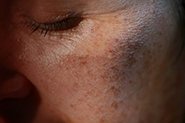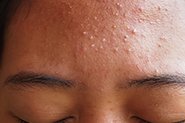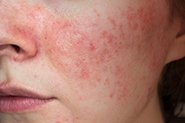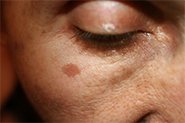
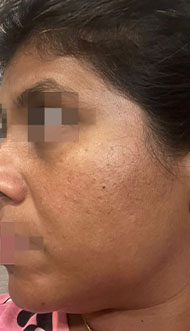
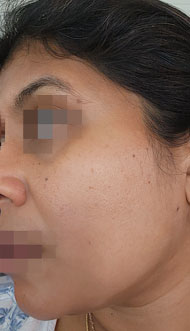
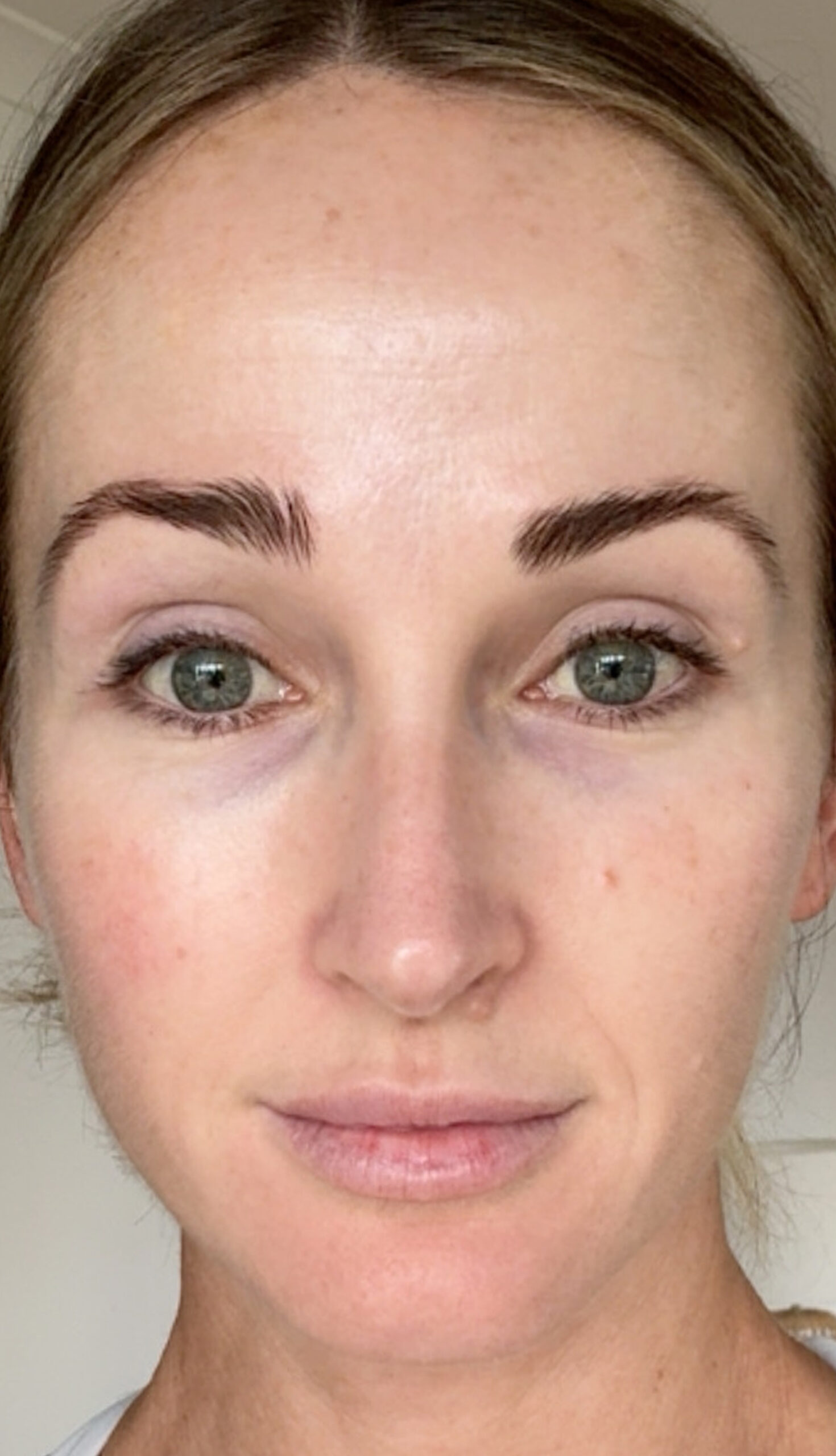
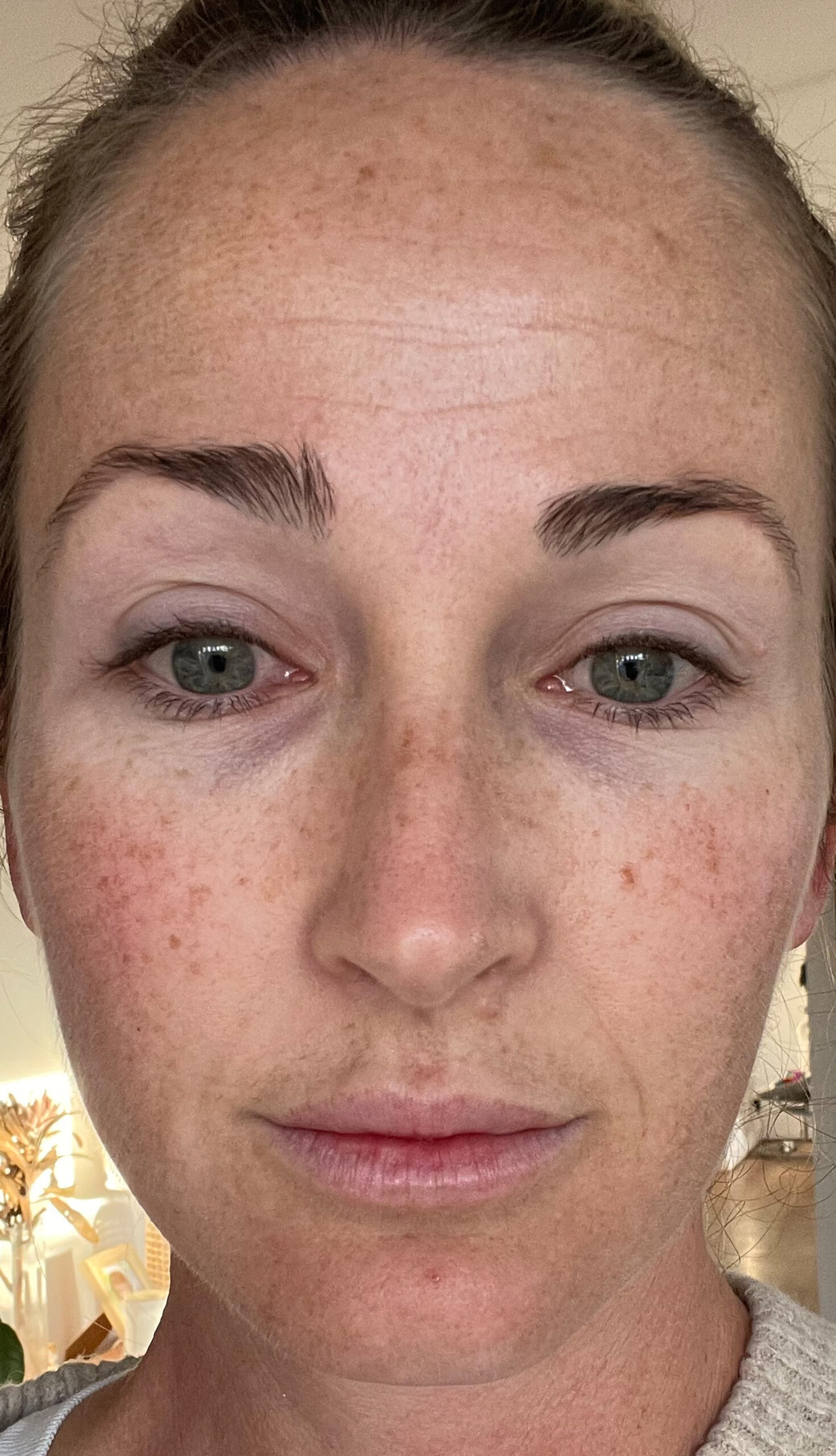
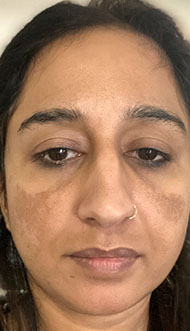
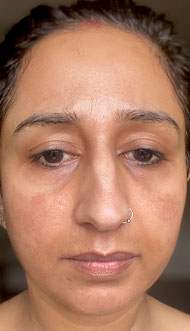
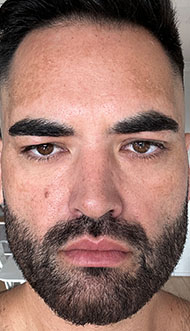
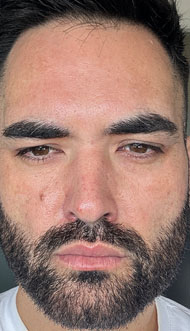
Melasma is one of the most frustrating and challenging forms of hyperpigmentation. This chronic skin condition produces dark brown or greyish-brown patches, often appearing in symmetrical patterns across sun-exposed areas of the face and neck.
Unlike random sunspots or freckles from harsh Australian sun exposure, melasma often develops down the centre of the face, on the forehead, cheeks, upper lip, nose, and chin. The jawline and neck are also common areas for melasma pigmentation, especially as we age.
The condition is triggered by UV radiation and visible from the sun, and hormonal shifts often play a role. Because melasma is chronic and pigmentation typically returns after fading treatments (even with diligent sun protection), it proves notoriously difficult to treat effectively. Some in-clinic beauty treatments like IPL, certain lasers, and microneedling can actually make melasma pigmentation worse.
If you’ve been struggling to control your pigmentation through cosmetic skincare products, you’re not alone. Regular ‘brightening’ serums and dark spot correctors often fall short because melasma requires specialised medical care.
The following five indicators suggest it may be time to consult a doctor about medical treatment options rather than continuing to rely on cosmetic products alone.
1. Cosmetic Skincare Products Aren’t Working
You’ve been diligent with your skincare routine. You’ve invested in multiple well-reviewed skincare products. You never skip your sunscreen. Yet your skin patches show little to no improvement, even after several months of consistent use.
This is the most common sign that you need to explore more advanced treatment options.
Here’s why retail skincare products often fall short: The active ingredients are different and are formulated at lower concentrations than prescription formulations because they need to be safe for unsupervised public use.
When skincare products fail to deliver results, it typically indicates that the active ingredients aren’t right, and can lack sufficient strength to address your specific pigmentation type. Medical professionals may discuss prescription treatment options that include medicines only available on prescription and higher-strength ingredients studied in clinical trials for pigmentation conditions. Individual responses vary, and outcomes cannot be guaranteed.
2. Your Pigmentation is Getting Worse or Spreading
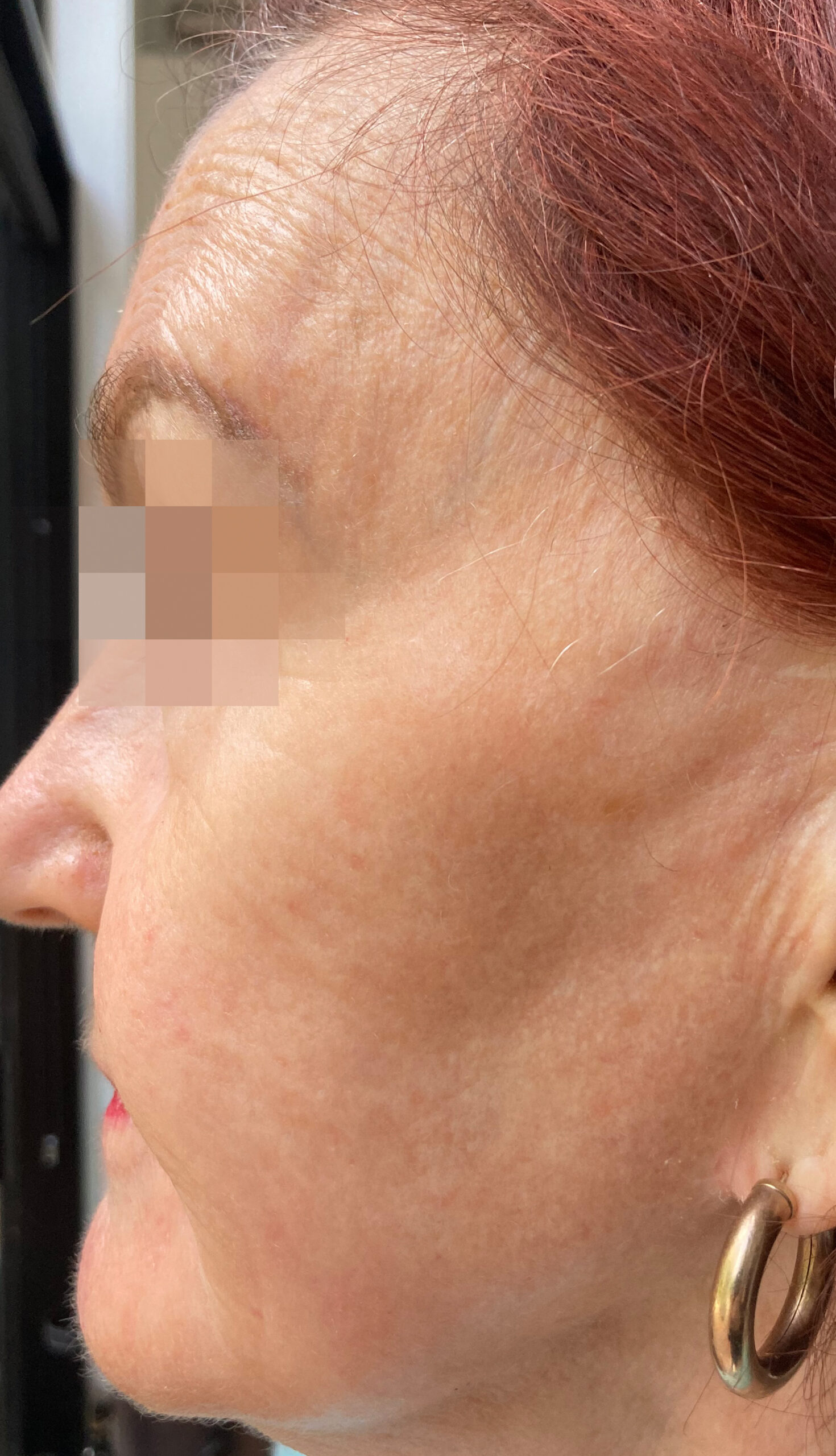
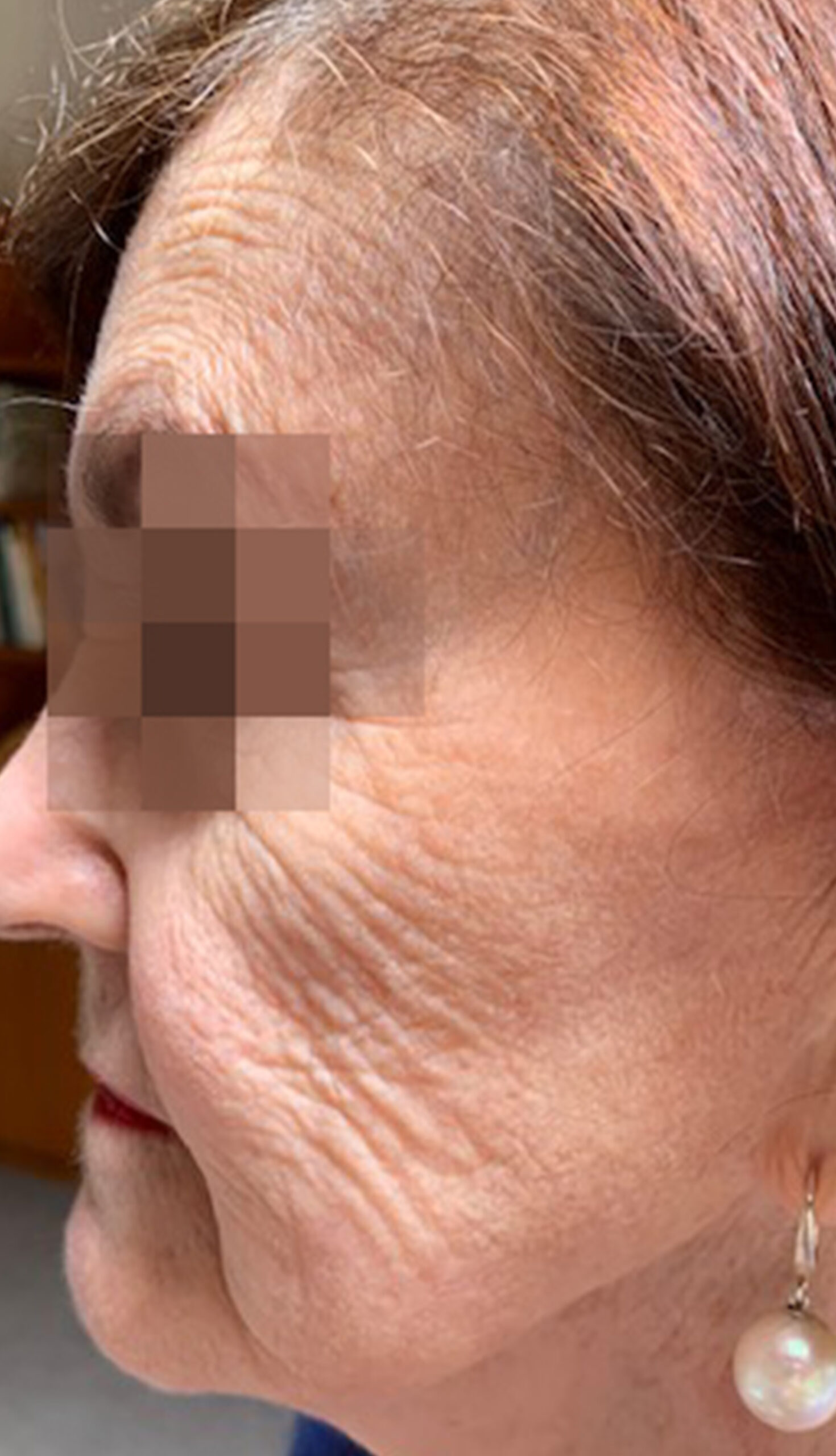
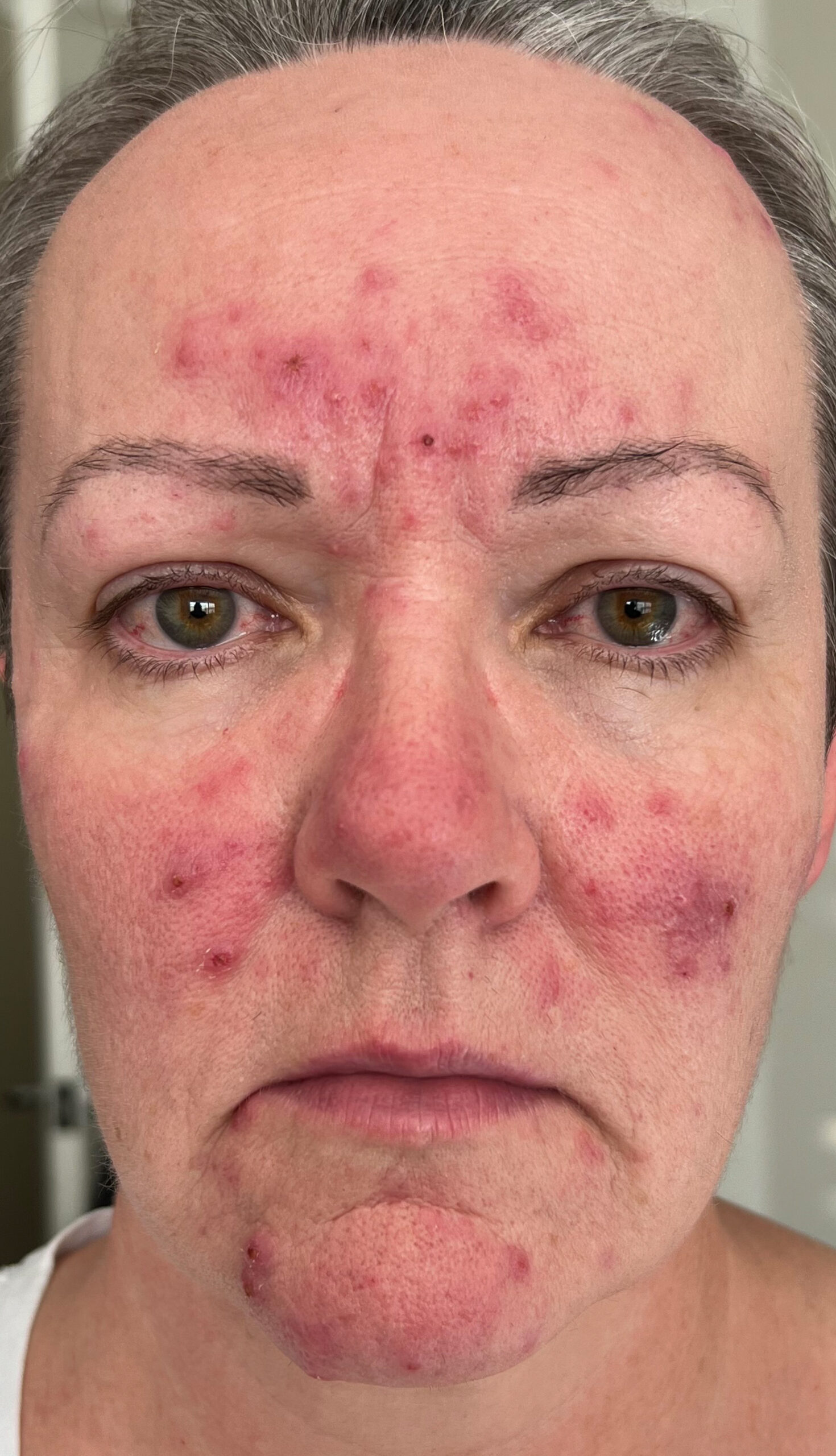
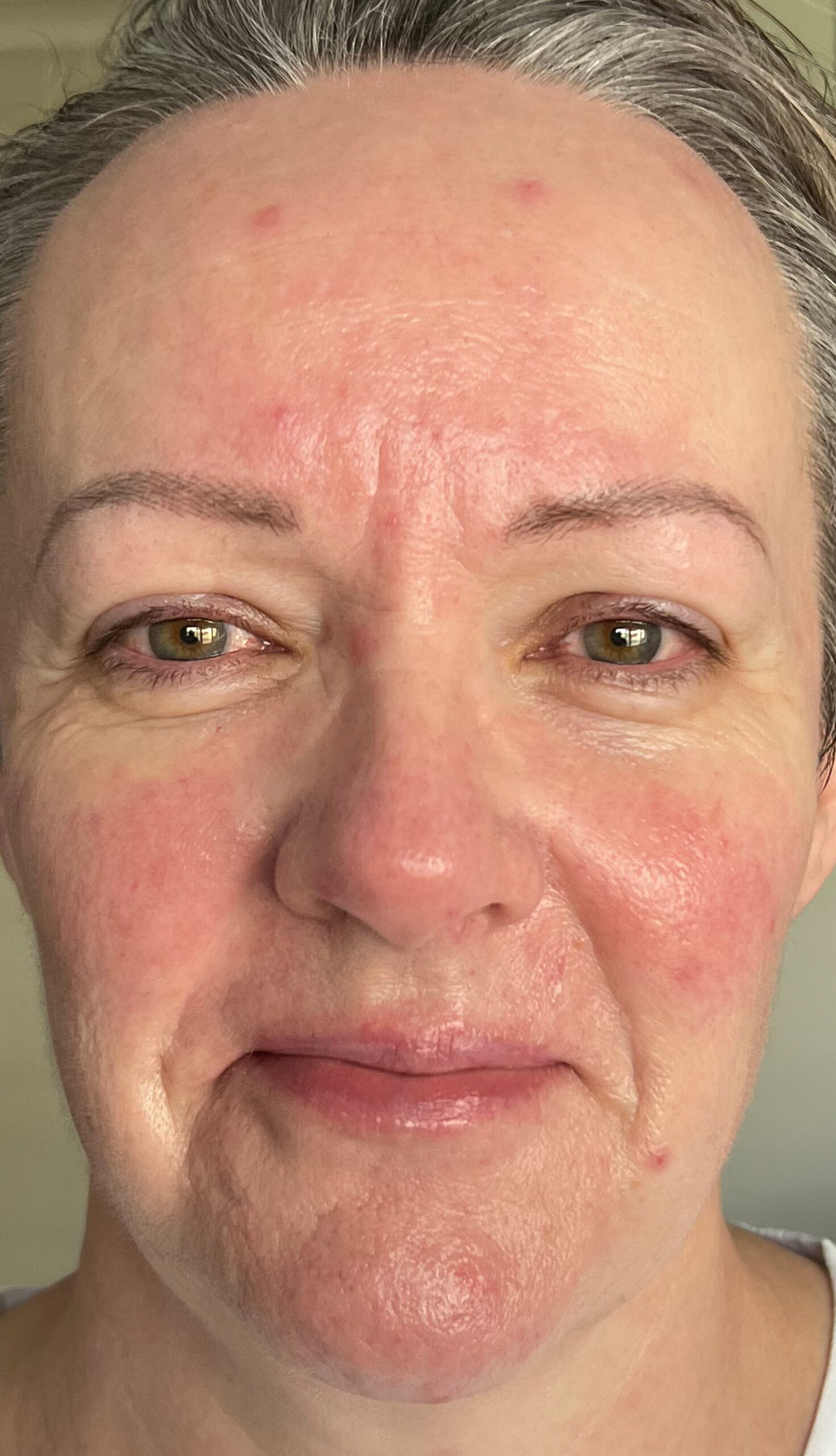
Despite your efforts to control the pigmentation, it’s intensifying. Existing patches are expanding, and new dark spots are developing across different areas of your face.
This progression suggests your current management approach isn’t addressing the underlying triggers driving your melasma.
Melasma is a dynamic condition that responds strongly to UV radiation, visible light, heat exposure, and hormonal fluctuations. The melanocytes (pigment-producing cells) in your skin can become activated by minimal sun exposure, even through windows or during brief outdoor walks, causing patches to darken.
If your pigmentation shows signs of change or deterioration, consult a healthcare professional for proper assessment and advice. A doctor may discuss treatment options that could include prescription topical treatments and comprehensive sun protection strategies. Treatment outcomes vary between individuals, and progression cannot always be controlled.






3. You Haven’t Had a Proper Diagnosis
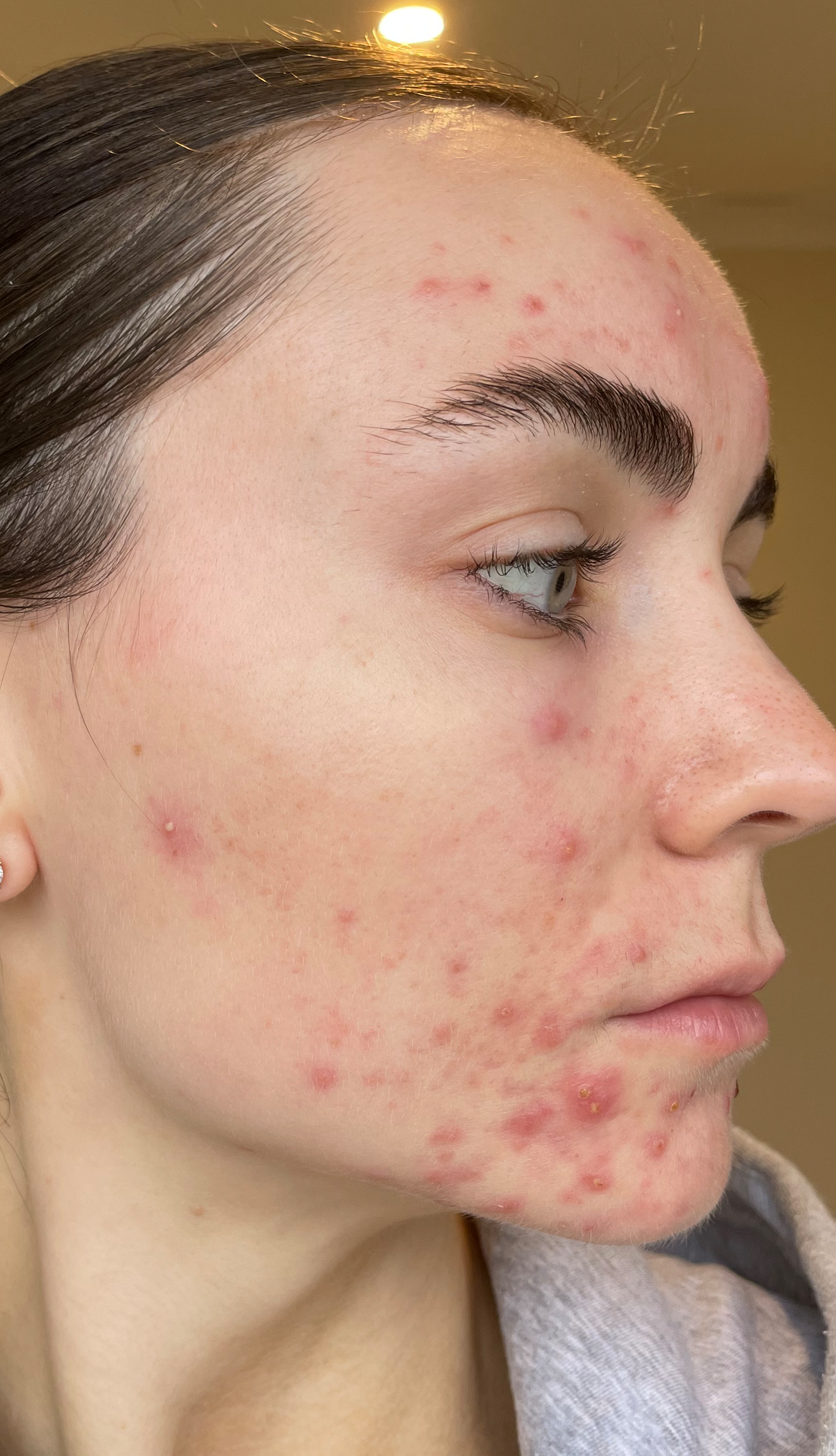
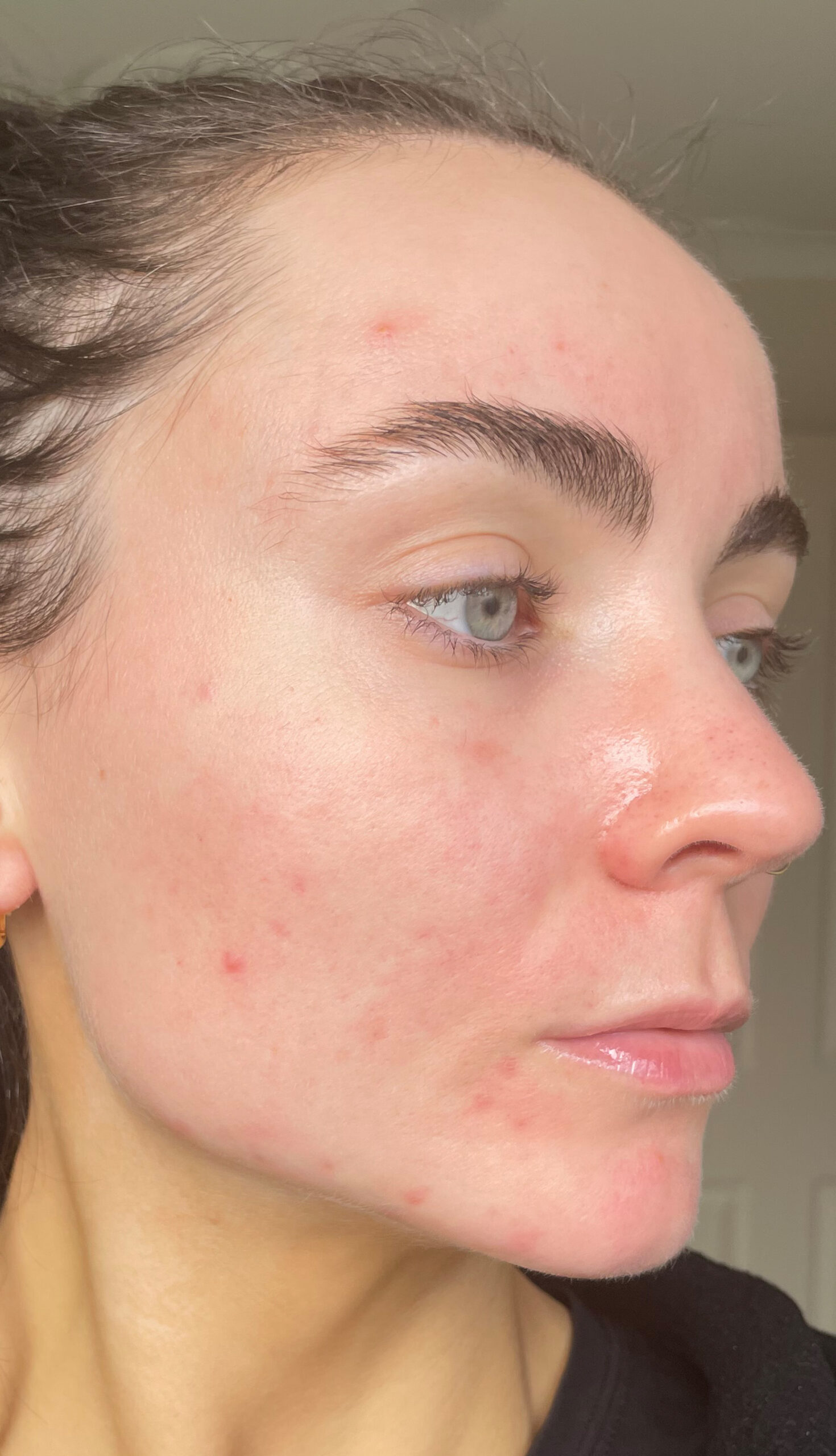
Self-diagnosing skin conditions is risky. The brown patches on your skin could stem from various conditions beyond melasma, including post-inflammatory hyperpigmentation (from acne or injury), solar lentigines (age spots from sun exposure), or many other pigmentation disorders.
Each condition requires different treatment approaches. What works for some pigment conditions may not work for melasma, and using inappropriate products might irritate your skin and worsen your condition.
A medical diagnosis is an essential first step for any treatment plan. Doctors use comprehensive medical histories, medication histories, lifestyle and visual assessments to differentiate between skin conditions and identify the specific type of pigmentation you’re dealing with.
Getting the right diagnosis from the start guides you toward appropriate treatment options, preventing wasted time and money on ineffective approaches.
4. Hormonal or Genetic Factors are Involved
Perhaps melasma runs in your family. Maybe your pigmentation first appeared during pregnancy (known as ‘the mask of pregnancy’) or after starting oral contraceptive pills. When melasma has internal hormonal or genetic triggers, it tends to be particularly persistent and resistant to standard cosmetic skincare products. Internal triggers keep pigment-producing cells in a heightened state of activity, causing them to produce excess melanin in response to even minor stimuli.
This type of melasma requires an evidence-based, long-term management approach. Doctors may prescribe prescription-strength ingredients that have been studied for their effectiveness in managing pigment production, even in the presence of hormonal triggers.
A healthcare professional can work with you to create a treatment plan that aims to reduce the likelihood of pigmentation returning after improvement, while providing guidance on managing this chronic condition long-term. Individual treatment responses vary.
5. Melasma is Affecting Your Emotional Wellbeing
Clinical studies show that skin conditions affect more than just your physical appearance. Visible melasma creates emotional challenges for many people. Feeling the need to hide your skin with makeup, avoiding social situations, and experiencing anxiety or frustration about your appearance are genuine concerns that deserve attention.
When your skin condition starts impacting your confidence and quality of life, seeking medical assistance becomes important.
A medical consultation may provide access to prescription treatment options, a structured treatment plan, and expert guidance from healthcare professionals who understand both the physical and emotional aspects of managing melasma. This comprehensive support can help you regain a sense of control over your condition.
Take Control of Your Skin Health Journey
If these signs resonate with your experience, consider scheduling a consultation with a qualified healthcare professional who can provide proper diagnosis, discuss treatment options, and offer evidence-based guidance for managing this challenging condition.
A reputable medical team may help guide you on your skin health journey. Individual results vary and outcomes cannot be guaranteed. Australian medical teams consisting of doctors, nurses, and dermal therapists can deliver personalised diagnosis, treatment plans, and ongoing support through telehealth services.
For more information about medically supervised melasma treatment options, speak with a qualified healthcare professional. This information does not replace professional medical advice and is intended for educational purposes only.
READY FOR PERSONALISED SKIN ADVICE BASED ON YOUR NEEDS?
BOOK TO EXPLORE YOUR TREATMENT OPTIONS HERE