Razor bumps and other common skin concerns in men
Razor bumps are one of the most common reasons men’s skin flares. Here’s what causes them, how to shave differently, and how to tell them from acne, folliculitis and rosacea.
The short version
- Razor bumps are inflammation around hairs that curl back into the skin after close shaving.
- Changing how you shave is the most effective first step.
- Razor bumps, folliculitis, acne and rosacea can look alike, so persistent changes are worth checking.
Skin health is often treated as a women’s topic, but everyone has skin. Razor bumps sit alongside acne, folliculitis, rosacea and sun damage as common concerns for men. This guide is general information and doesn’t replace an assessment by a doctor.
What razor bumps are
Razor bumps (pseudofolliculitis barbae) are an inflammatory reaction around the hair follicle, usually after shaving. A close shave leaves a sharp hair tip that can pierce the skin or curl back underneath it, and the body reacts to the trapped hair.
They look like acne-like bumps and ingrown hairs that may be red or skin-coloured, itchy or tender, most often on the face and neck. Under the jawline is a classic spot, because the hair there grows in different directions. They’re more common with tightly curled or coarse hair, in darker skin, and with blade razors. Once they heal, they can sometimes leave pigmentation or scarring.
Razor bumps or folliculitis? Beard folliculitis looks similar but is an infection of the follicles, and the two can happen together. Folliculitis tends to cause painful, inflamed pus spots, while razor bumps are usually smaller and less painful, often with ingrown hairs.
Is men’s skin different?
Less than marketing suggests.
- Oil: no significant difference between younger men and women. A gap appears after 50, as women’s oil production falls around menopause.
- Elasticity: no significant difference, though it declines with age in both.
- Thickness: results are inconsistent, and the idea that men have thicker skin isn’t well supported, at least until women reach menopause.
- Hydration, barrier, pH and wrinkling: studies contradict each other.
Oil production also varies a lot between people of the same age. So choose products for the skin you have, not the label on the bottle.
 RelatedAre those really blackheads? Understanding pores
Other common concerns
- Acne can continue well past the teenage years. Blackheads and whiteheads are the clearest sign that bumps are acne rather than rosacea.
- Folliculitis is an infection of the hair follicles that can look like acne, and usually doesn’t respond to typical acne approaches.
- Rosacea causes persistent redness in the centre of the face, sometimes with visible blood vessels and bumps, but no blackheads. Over time it can thicken the skin around the nose, which is most common in men.
- Sun damage builds over time as fine lines, uneven pigmentation and rougher texture.
Because these overlap, the wrong approach can backfire. Acne products used on rosacea-prone skin, for example, can worsen redness, so getting the diagnosis right comes first.
How to shave to prevent them
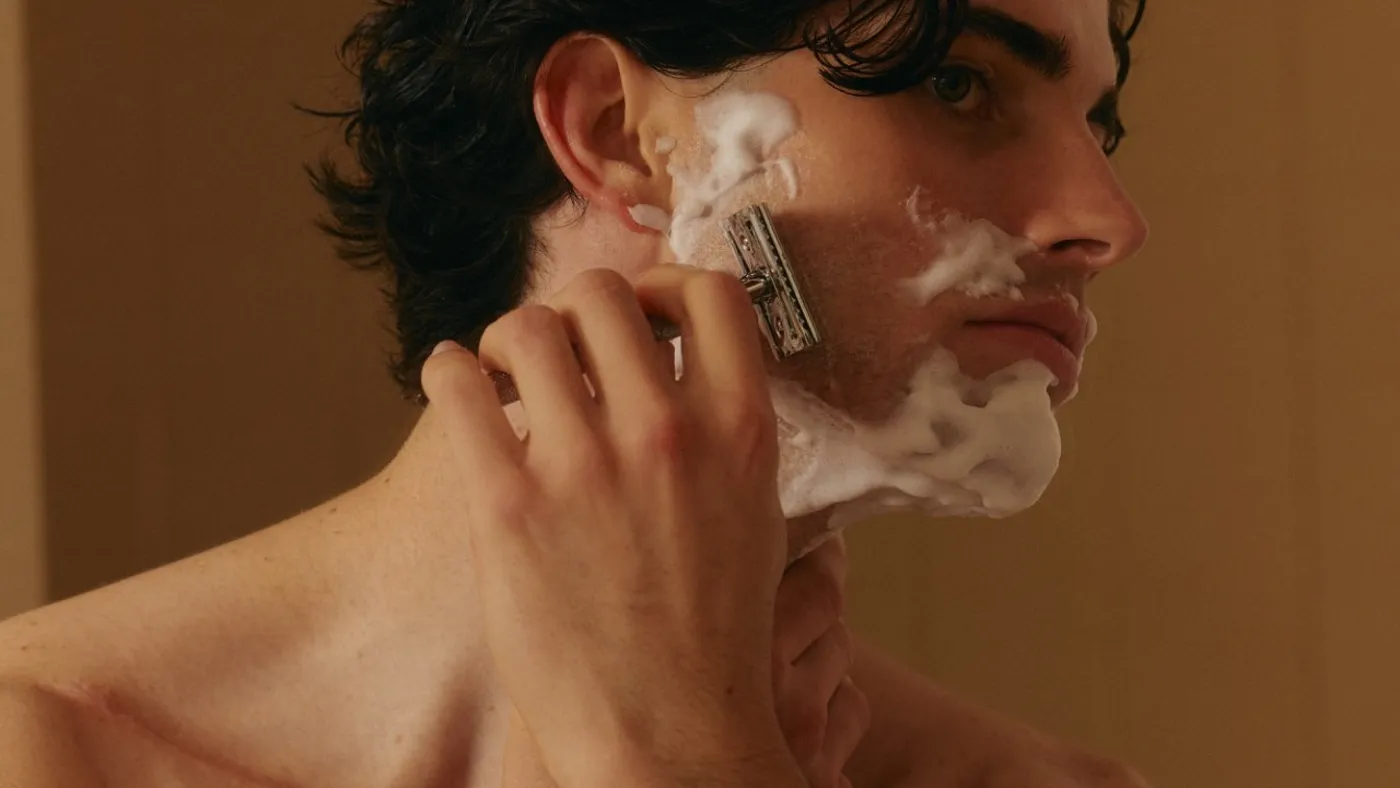
- Go with the grain. Shave in the direction your hair grows, and don’t stretch the skin.
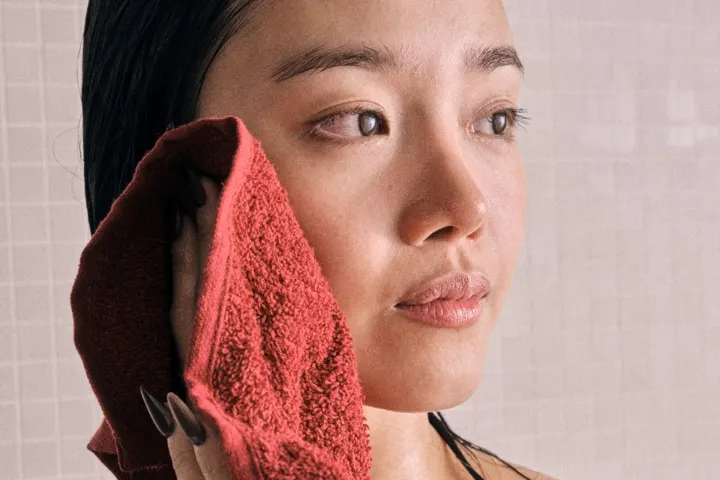
- Soften first. Shave at the end of a shower, or after holding a warm, damp cloth on the area.
- Short strokes, sharp blade. Avoid going over the same area twice.
- Prep and finish. A gentle cleanser before, a moisturising shaving cream, and a soothing aftershave.
- Fresh razors. Replace disposables after 5 to 7 shaves and keep your kit clean.
- Try an electric shaver. Razor bumps are less common than with blades.
Letting your beard grow is the most reliable fix. Bumps usually settle 4 to 6 weeks after you stop shaving, so trimming for a few weeks gives skin a chance to calm down. If bumps persist after changing your habits, see a doctor, as infection, pigmentation and scarring can follow.
Everyday habits
- Keep it simple. A cleanser, moisturiser and sunscreen is a sensible base for anyone.
- Wear sunscreen daily. If you only use one product, make it this one.
- Check your shaving setup before adding more products.
- Get persistent changes checked. Anything that isn’t settling, is spreading or is changing deserves an assessment, not trial and error.
Common questions
Why do I keep getting razor bumps?
Close shaving leaves sharp hair tips that pierce or curl back into the skin. Curly or coarse hair and blade razors make it more likely, so technique, preparation and equipment are the first things to look at.
How long do razor bumps last?
Usually 4 to 6 weeks after you stop the cause. If you keep shaving the same way, they’re likely to continue.
Is it acne, folliculitis or rosacea?
Blackheads or whiteheads point to acne. Persistent central redness without them points to rosacea. Folliculitis is an infection that can look like acne, and razor bumps appear where you shave. A clinical assessment is the reliable way to tell.
Skin and hair care at Qr8
Private, ongoing care with our doctors and nurses, Australia-wide. Video consultations from $55.
Book a consultationThis article is general information only. It isn’t a substitute for personal medical advice, so speak with a health professional about your own skin.